

“Herbal abortion” is a catch-all for attempts to end a pregnancy using plant products—typically teas, tinctures, capsules, or concentrated essential oils. In historical or online sources, you’ll see herbs mentioned such as pennyroyal, blue cohosh, rue, tansy, and others.
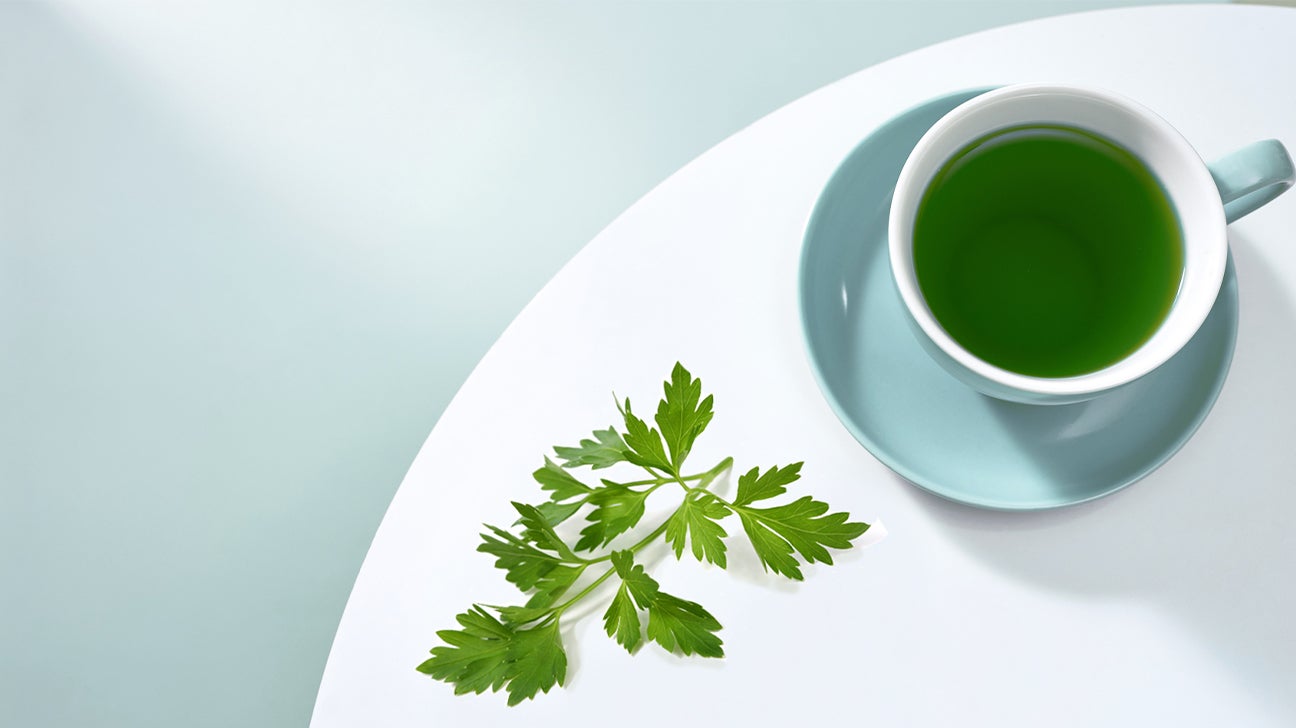
These are not medically recommended methods. Reviews of herbal abortifacients show that several commonly cited plants have documented toxicity, including pennyroyal, blue cohosh, rue, and quinine.
Bottom line: just because something is “natural” doesn’t mean it’s safe—especially during pregnancy. Poison control centers warn that herbal attempts at abortion can cause severe poisoning, liver injury, breathing problems, and even death.
Why Sharing “how-to” Details is Unsafe
Even among plants that have been rumoured to affect menstruation or pregnancy, there is no reliable, standardised dosing for “effect vs. toxicity.” Potency varies wildly by species, growing conditions, preparation, and concentration. For example, pennyroyal oil contains pulegone, a compound that can cause liver failure and death; animal research shows pregnancy toxicity, reinforcing why exposure is dangerous. Concentrated essential oils are particularly hazardous.
Blue cohosh has been linked to serious cardiovascular effects; rue has been associated with multi-organ damage. There is no safe, evidence-based regimen for using these plants to terminate a pregnancy. Attempting to self-dose can lead to poisoning without reliably ending the pregnancy—creating a double risk: toxicity and a continuing or complicated pregnancy.
Health Consequences of Unsafe Abortion Methods
Globally, unsafe abortions remain a major cause of preventable illness and death. The World Health Organisation (WHO) notes that where abortion care is safe and legal, mortality is nearly negligible (<1 death per 100,000 procedures). Where unsafe methods are common, death rates rise dramatically (>200 per 100,000), and millions are treated in hospitals each year for complications such as haemorrhage and infection.
Clinicians regularly manage emergencies stemming from unsafe or self-managed attempts: severe bleeding, sepsis, organ injury, and toxic exposures. These can require intensive care, transfusion, and surgery, and delays in seeking help (often due to fear or stigma) make outcomes worse.
The Evidence-based Alternative: Medically Supported Care
If someone is considering ending a pregnancy, the safest options are evidence-based clinical care in line with WHO recommendations. These include medical methods (utilising medications such as mifepristone and misoprostol) and procedural methods administered by trained providers, selected based on gestational age and individual health factors.
WHO’s guideline consolidates best-practice recommendations across methods, settings, and follow-up to keep care safe and patient-centered.
I’m deliberately not sharing medication regimens or dosing here—those decisions should be guided by qualified professionals and trusted services that assess gestational age, screen for contraindications, provide accurate instructions, and offer follow-up. This is the approach that keeps complication and mortality rates extremely low.
If Someone Already Used Herbs or Feels Unwell—urgent Warning Signs
Seek urgent medical care immediately if any of the following occur after taking herbs or any substance in an attempt to end a pregnancy:
-
Heavy vaginal bleeding (soaking ≥2 pads per hour for two consecutive hours)
-
Severe abdominal pain that isn’t improving
-
Fever, chills, foul-smelling discharge (possible infection)
-
Confusion, seizures, yellowing of the eyes/skin, trouble breathing (possible poisoning or liver injury)
Clinicians can provide life-saving treatment and post-abortion care without needing details you’re uncomfortable sharing. The priority is your safety. (WHO and emergency-medicine literature emphasise rapid care for haemorrhage, sepsis, and toxic exposures.)
Finding Credible Help and Support (Nigeria & Global)
-
Marie Stopes (MSI) Nigeria — Post-abortion care & sexual/reproductive health services. They provide compassionate, confidential care, including management of miscarriage or incomplete abortion and contraception counselling.
• Post-abortion care overview (MSI Nigeria). MSI Nigeria Reproductive Choices
• Toll-free phone: 0800 00 22252 (also “22252”), available daily 8 AM–6 PM; WhatsApp: +234 908 00 22252; national office details are posted on MSI’s “Where we work” page. MSI Nigeria Reproductive ChoicesMSI Reproductive Choices -
World Health Organisation — Abortion care facts & guidelines. Clear, evidence-based information on what safe abortion care looks like and why unsafe methods are dangerous. World Health Organization+1
-
Poison Control (general reference). If an herbal product has been ingested and you feel unwell, poison-control resources outline risks and when to seek emergency help (local emergency services should be contacted in Nigeria).
Key Takeaways
-
“Herbal abortion” encompasses a range of unregulated plant products. Several herbs popularly mentioned in folklore or online have been documented to have serious toxicity. There is no safe, standardised, evidence-based dosing that reliably ends a pregnancy.
-
The health risks are substantial: poisoning, liver and kidney failure, heart complications, haemorrhage, infection, and delayed access to effective care.
-
Safe, effective abortion care exists when delivered within evidence-based medical systems following WHO guidance; mortality and serious complications are extremely rare in those settings.
-
If you or someone you know needs care, contact a reputable provider. In Nigeria, MSI Nigeria can advise on services and provide post-abortion care.

