

What is the June 2025 herpes cure? Is there a cure for this infection at the moment, or are there barely preventive measures? There is no known cure for herpes as of June 2025. But there is continuing research and encouraging treatments for dealing with herpes.
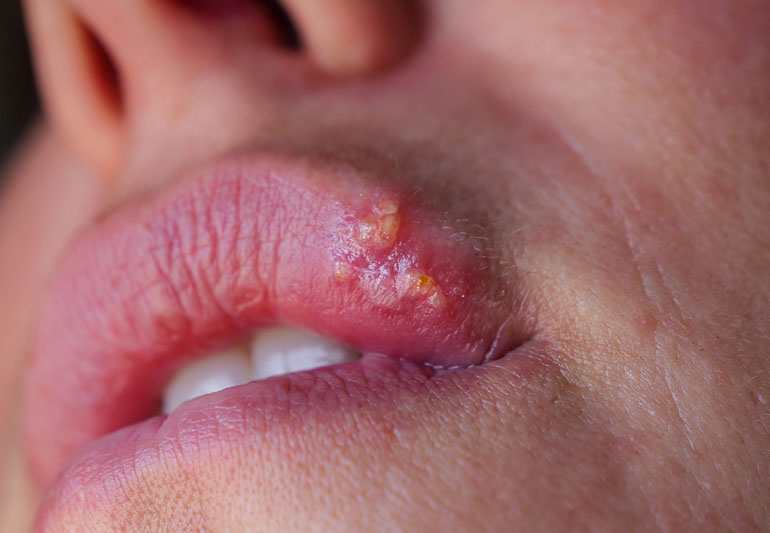
Antiviral drugs are available to help treat outbreaks, and there are several vaccine candidates in clinical trials. This editorial will discuss the latest and most important updates on the way to a cure for herpes as of June 2025.
Herpes Suggested Cures for June
1. IM‑250: A New Antiviral Milestone
At Innovative Molecules GmbH, in June 2025, patients have successfully been enrolled in the phase 1b clinical trial for the company’s IM‑250, a next‑generation helicase‑primase inhibitor against both HSV‑1 and HSV‑2.
The oral drug, which is meant to be taken once a week, is being tested for safety, efficacy and penetration into the nerve tissue where hidden herpes hangs out. Topline findings are anticipated by the second half of 2025.
2. Therapeutic Vaccine mRNA by Dr. David Koelle
In June 2025, Dr. David Koelle at the University of Washington also received a grant for his genital herpes (HSV-2) mRNA‑based therapeutic vaccine research, which received $275,000 from the Washington Research Foundation.
An effective vaccine is expected to generate strong CD8 T-cell responses that prevent both recurrence and transmission. Early-stage testing is being conducted, with the aim of achieving pre-clinical milestones for functional cure.
3. ABI‑5366: Advancement in Reduction of Latent Virus
At the ESCMID Global 2025 conference, Assembly Biosciences debuted early data on ABI‑5366, a helicase-primase inhibitor that is in a Phase 1a/b study.
A once-a-month “block-and-lock” treatment, by contrast, has been able to control viral replication and shedding, one of the key obstacles in treating herpes so far.
4. Ongoing Gene-Editing Breakthroughs
It’s not unique to June 2025, but gene-editing techniques are still in their infancy.
Preclinical studies led by the Fred Hutch researchers who developed it revealed it could reduce HSV-1 by more than 90% in mice, and they are working to broaden the approach to HSV-2. Their meganuclease and CRISPR-based methods represent a robust platform for future human trials.
What Does This Mean?
| Category | June 2025 Updates |
|---|---|
| New Antivirals | IM‑250 enters advanced clinical trial stage; ABI‑5366 shows promising early data. |
| Vaccines | Koelle’s mRNA therapeutic vaccine receives funding for further development. |
| Gene Therapy | Preclinical gene editing continues maturing—human testing remains forthcoming. |
- IM‑250 and ABI‑5366 provide promise for improved repression and possibly elimination of the latent reservoir.
- Koelle’s mRNA vaccine is a step away from treating the symptoms and toward an immune-based treatment.
- Gene-editing is the most radical — but also still preclinical — approach to a functional or full cure.
Timeline Outlook
- Late 2025–2026 Receive safety and efficacy data from IM‑250 trials and preclinical results for Koelle’s vaccine.
- 2027+: Potential Phase II/III trials of antivirals and vaccines; possible first-in-human gene therapy applications.
Summary
There is no universally recognised cure for herpes in June 2025, although there is no doubt that the field is moving forward:
- IM‑250 provides a novel and more convenient choice for oral administration against dormant infection.
- mRNA vaccine therapeutics are advancing to substantial development.
- Gene-editing approaches have been demonstrating impressive preclinical success.
We’re a long way from mere symptom control — in 2025, we have functional cures within our grasp. If you have genital herpes, it’s always a good idea to learn more about new or improved therapies, trials and new research ideas on the horizon.

